
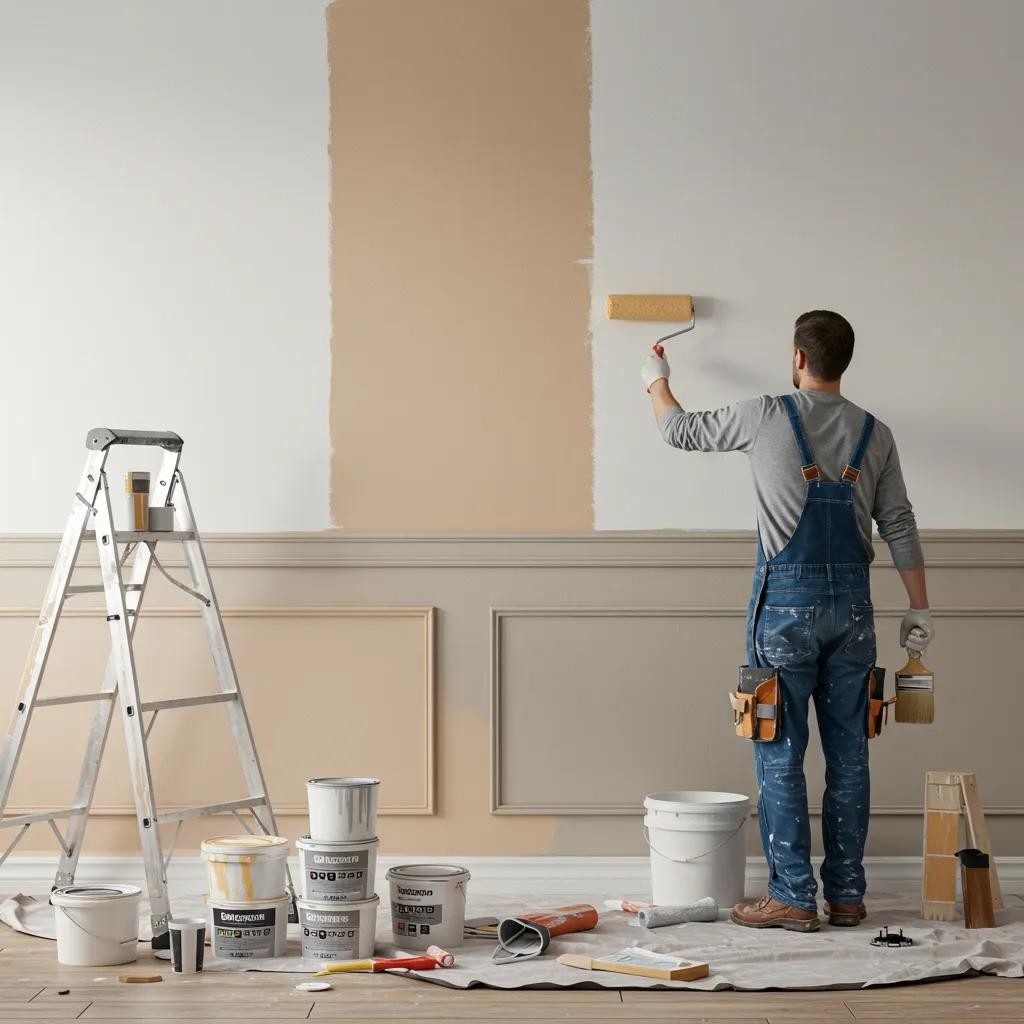
Transform Your Space: Top House Painting Techniques Unveiled
Best House Painting Techniques for Stunning Results: Professional Methods for Flawless Interior and Exterior Finishes
A flawless interior or exterior finish begins with expert-level painting techniques that marry precision and aesthetic appeal. In this guide, you will discover how thorough surface preparation, advanced interior and exterior application methods, smart paint and tool selection, and proactive maintenance come together to deliver stunning results. Each section answers a specific question—from cleaning and priming walls, to mastering brush and roller methods, to choosing the best low-VOC formulas and trending 2025 color palettes. Along the way, you’ll see how Easy Peasy Painting Company’s stress-free, professional approach in San Antonio ensures reliable quality and lasting beauty. By the end, you’ll know exactly how to achieve a high-impact paint job and when to request a quote from seasoned experts.
What Are the Essential Surface Preparation Techniques for a Flawless Paint Job?
How Do You Clean and Repair Walls Like a Pro?
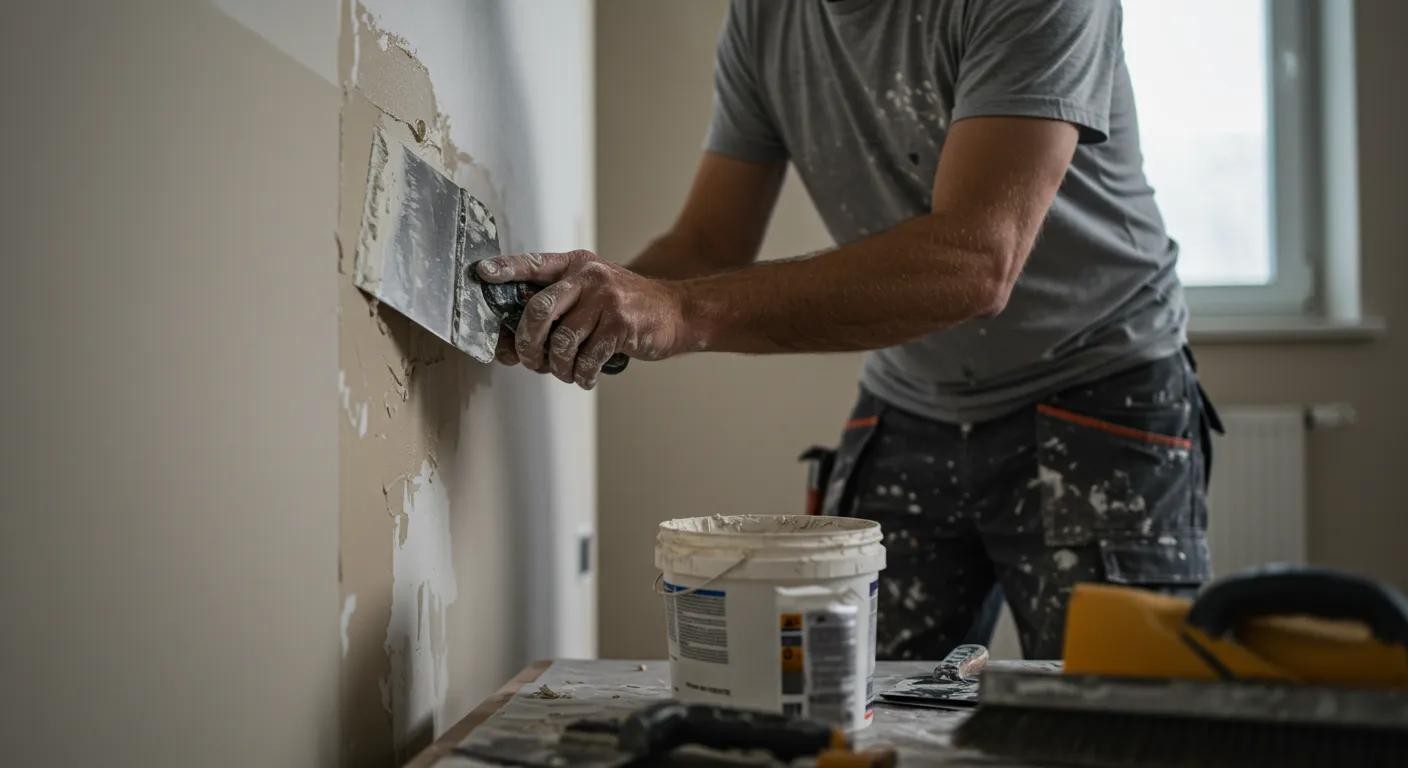
Effective wall cleaning and repair begins with removing dirt, grease, and loose debris to promote paint adhesion. First, wash surfaces with a mild detergent solution, rinse thoroughly, and allow full drying. Next, identify cracks or dents and fill them with a quality spackling compound, sanding smooth once set. Finally, remove sanding dust with a damp cloth.
Wipe walls using a non-abrasive sponge and gentle cleaning agent
Patch holes and level imperfections with spackle and a putty knife
Sand repaired areas lightly to create a uniform substrate
Proper cleaning and repair eliminates adhesion barriers and sets the stage for uniform primer coverage.
When and Why Should You Use Primer for Perfect Paint Adhesion?
Introducing primer ensures consistent color payoff and blocks stains, tannins, and moisture migration from bare drywall or repaired areas. Primers contain binders that seal porous surfaces, reduce the number of finish coats required, and create a uniform surface for paint. Using a high-quality latex or oil-based primer prevents flashing and peeling, especially on new drywall or patched spots.
By reinforcing substrate integrity, primer paves the way for long-lasting color and helps Easy Peasy Painting Company achieve the flawless adhesion central to stunning results.
What Are the Best Masking and Protection Methods to Avoid Paint Damage?
Effective masking safeguards floors, trim, and fixtures during application, preventing overspray and drips that compromise finish quality. Use high-adhesion painter’s tape along edges, cover floors and furniture with drop cloths, and secure plastic sheeting over hardware. Remove tape at a 45-degree angle just after the paint turns touch-dry to avoid peeling.
Precision masking accelerates cleanup and protects adjacent surfaces, enabling a crisp transition from prep to painting without damage or touch-ups.
Which Interior Painting Techniques Deliver the Best Professional Results?
How to Master Brush and Roller Application for Smooth Interior Walls?
Brush and roller methods deliver uniform coverage and minimal brush marks when executed correctly. Start by cutting in trim and corners with a premium angled brush, then maintain a wet edge by rolling paint in overlapping “W” patterns. Use a medium-nap roller for eggshell or satin finishes and a longer-nap roller for textured walls.
Cut In First: Paint within two inches of trim before rolling.
Maintain Wet Edge: Overlap each roller pass by 30%.
Apply Two Thin Coats: Allow drying between coats for even sheen.
Well-practiced brush-and-roller routines result in smooth walls without streaks or lap marks, reflecting professional standards.
What Is the Cutting In Technique and How Does It Create Crisp Lines?
Cutting in defines edges along ceilings, trim, and corners to isolate areas before rolling. Using a high-quality, angled sash brush, apply paint with light, controlled strokes about two inches from the edge, then feather outward. This method prevents roller splatter from reaching protected surfaces and creates sharp demarcations.
Perfect cutting in showcases meticulous attention to detail, forming the clean lines that homeowners and property managers in San Antonio expect from expert service.
What Are Advanced Interior Finishes Like Color Washing and Textured Walls?
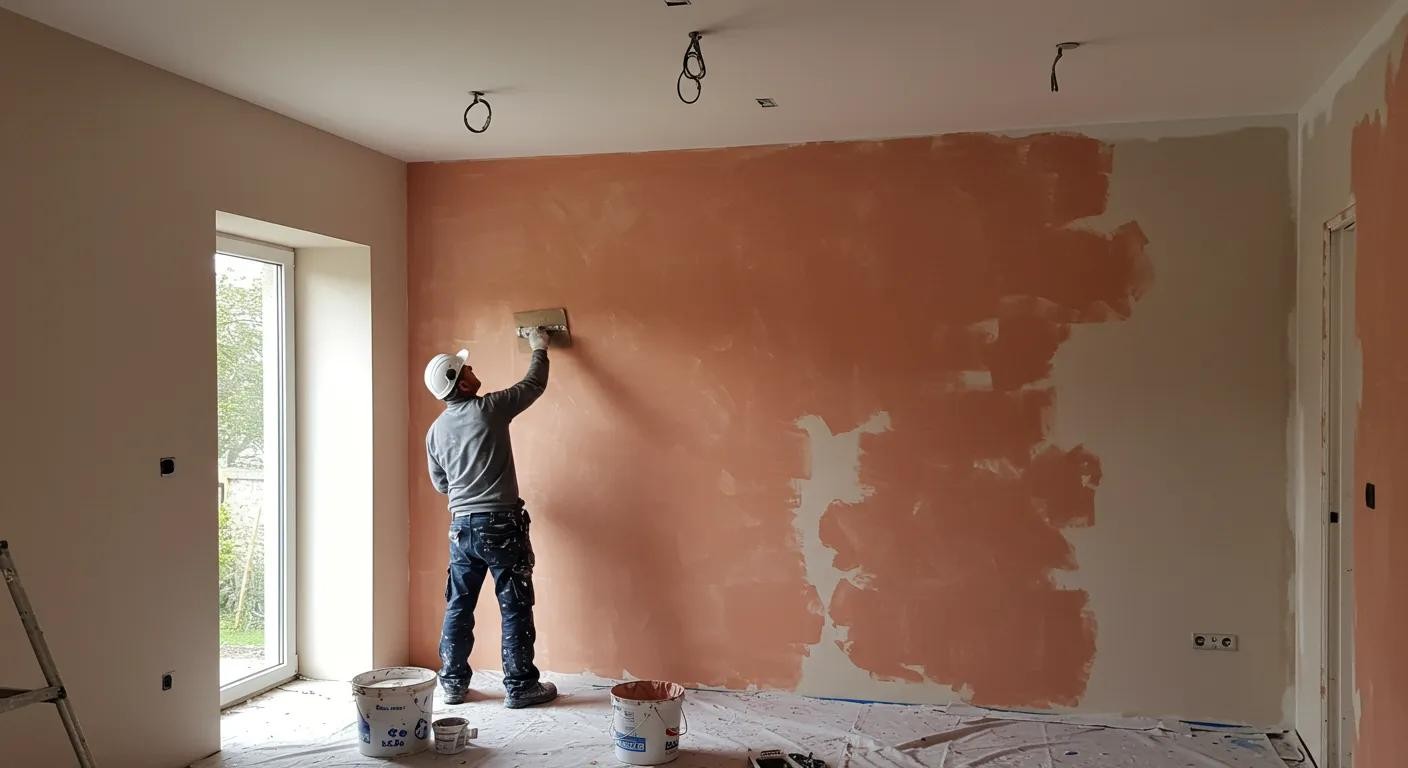
Color washing and textured finishes elevate standard walls with subtle depth and character. Color washing blends a translucent glaze over a base coat using a rag or brush, resulting in soft, cloud-like veining.
Textured finishes—such as knockdown or Venetian plaster—use specialty joint compounds troweled on and lightly sanded to create tactile dimension.
These decorative techniques demand precision in mixing, application timing, and tool selection, making them ideal opportunities to partner with Easy Peasy Painting Company for impressive, gallery-worthy interiors.
What Exterior House Painting Tips Ensure Durable and Stunning Results?
How Do Weather Conditions Affect Exterior Painting in San Antonio?
San Antonio’s hot sun and seasonal humidity influence paint drying rates and adhesion. Optimal exterior application occurs when temperatures range between 50°F and 85°F with relative humidity below 70 percent. High heat can cause exterior paint to skin over too quickly, leading to brush marks and uneven film thickness, while moisture can interfere with curing.
Planning exterior work around morning or late-afternoon windows reduces thermal stress on paint and yields uniform coatings that resist blistering, chalking, and premature wear.
When Should You Use Spray Painting for Efficient Exterior Coverage?
Spray painting accelerates large-area coverage on siding, fences, and trim while delivering a fine mist that penetrates cracks for thorough adhesion. Choose airless sprayers for thicker latex formulations and HVLP sprayers for lighter primers and sealers. Always back-roll immediately after spraying to ensure even distribution and intercoat bonding.
Professional sprayer setups reduce application time and produce consistent films, helping Easy Peasy Painting Company complete exterior projects efficiently without compromising depth of finish.
What Finishes Provide Long-Lasting Protection for Exterior Surfaces?
High-performance exterior coatings combine durability with aesthetic appeal, safeguarding wood, masonry, and metal.
These robust finish systems deliver superior weatherproofing and color retention, supporting the professional standard of stunning, enduring exteriors.
How Do You Choose the Right Paint and Tools for Professional House Painting?
What Are the Differences Between Paint Types, Sheens, and Low VOC Options?
Low-VOC formulations offer reduced odors and improved indoor air quality without sacrificing coverage or durability, appealing to eco-conscious homeowners.
Which Painting Tools Are Essential for Achieving a Flawless Finish?
Achieving professional results requires quality brushes, rollers, and accessories.
Angled Sash Brushes deliver precision on trim and corners.
Microfiber Rollers minimize lint and create even pile contact.
Extension Poles and Roller Frames ensure consistent pressure and reach.
Fine-Line Painter’s Tape provides sharp edges without residue.
Investing in premium tools reduces fatigue, repetitive strokes, and finish imperfections.
What Are the 2025 Paint Color Trends to Enhance Your Home’s Look?
Sandy Beige and Stone Taupe: Neutral backdrops that reflect warm light.
Muted Sage and Olive Greens: Calming, organic accents for interiors.
Moody Blue and Charcoal: Dramatic contrasts on accent walls and exteriors.
Warm Whites with Subtle Undertones: Fresh canvases for architectural details.
Selecting a current palette highlights design sensibilities and elevates property value.
How Can You Avoid Common Painting Mistakes and Maintain Your Paint Job?
What Are the Most Common Painting Problems and How to Prevent Them?
Preventing defects hinges on attention to process and environment:
Drips and Runs: Occur from overloading brushes or rollers; use thin, controlled coats.
Streaks and Lap Marks: Result from letting paint dry before blending; maintain a wet edge.
Peeling and Blistering: Appear when moisture or poor adhesion goes unchecked; always prime and seal substrates.
Adhering to correct application methods and environmental guidelines eliminates these pitfalls and ensures uniform finishes.
How Do You Maintain and Extend the Life of Your Fresh Paint?
Proactive maintenance preserves the new-paint look season after season:
Seasonal Inspections: Check exterior coatings for cracking or mold at least twice a year.
Gentle Cleaning: Use soft brushes or low-pressure rinsing to remove dirt and mildew.
Touch-Up Kits: Keep small quantities of original paint for spot repairs to prevent substrate exposure.
Consistent upkeep and timely minor repairs prevent deterioration and prolong the stunning appearance delivered by professional service.
Painting your home to professional standards requires an orchestrated approach—from surface preparation through specialized application techniques and tool selection to ongoing care. Partnering with Easy Peasy Painting Company brings reliable expertise, stress-free execution, and guaranteed satisfaction. For a personalized quote and expert guidance on achieving flawless interior and exterior finishes in San Antonio, contact the team today.